Curious what your North Spokane home could be worth right now? If you have seen different numbers from online estimates, a neighbor’s sale, or a lender’s appraisal, you are not alone. Each method looks at value a little differently. In this guide, you will learn how pros price homes in our north-side neighborhoods, what actually moves price, a quick DIY ballpark method, and what to send for a fast, accurate valuation. Let’s dive in.
What “home value” means
Not all values are the same. When you hear “value,” it could be one of three things.
Appraisal value
A licensed appraiser gives lenders a formal opinion of market value. For single-family homes, appraisers rely on the sales comparison approach, choose the most similar recent sales, and make line-item adjustments for differences like square footage, condition, and lot size. Appraisals follow federal and investor rules, including guidance from Fannie Mae on comparable selection, time adjustments, documentation, and measurement standards. You can read more in the Fannie Mae Selling Guide, which outlines how adjustments and comps must be supported for loans in this appraisal guidance.
Comparative Market Analysis (CMA)
Agents prepare CMAs to recommend a list price and strategy. A CMA compares recent sold comps with current active and pending listings, then layers in local buyer behavior to suggest a price range and likely negotiation path. It is not an appraisal, but it is the practical tool used to set a list price and launch a plan. The National Association of REALTORS explains how agents build CMAs and pricing posture in this guidance on determining asking price.
Online estimates (AVMs)
Automated Valuation Models use public records and listing data to predict a value. AVMs are fast and handy for a starting point, but they cannot see interior condition, permitted improvements, or street-level nuance. Treat them as one input among many, not the final word.
North Spokane snapshot
“North Spokane” is a local term, not a single official boundary. Many people use it to describe the city’s north-side ZIPs and nearby areas such as Northwest Spokane, Five Mile Prairie, Country Homes, Shadle, and the Mead area. That is why price patterns vary by the exact ZIP and neighborhood you are in.
Here are a few example medians to show the range as of January 2026. These are portal snapshots and intended as ballpark reference.
- ZIP 99208: median sale price about $453,000.
- ZIP 99205: median sale price about $324,000.
- ZIP 99224: median sale price about $520,000 in adjacent areas that include larger, newer homes.
The takeaway is simple. Use your exact address or micro-neighborhood for any estimate, not a broad north-side headline.
How pros price homes
Pricing is part math and part market judgment. Here is how appraisers and agents approach it.
Define the market area
Start with the area where buyers would realistically compare your home. Appraisers document that market area before selecting comps and note any market trends that need time adjustments. Fannie Mae outlines this process and how appraisers handle market conditions in its Appraiser Update.
Select comparable sales
Pick three to six recent closed sales that are most similar in location, size, age, and condition. Appraisers explain any adjustments if market prices changed between the comp’s sale date and the valuation date. Lender-focused standards for selecting and adjusting comps are detailed in the Fannie Mae Selling Guide here.
Adjust for differences
Make dollar adjustments for square footage, bedrooms and baths, garage, lot, finished basement, and any permitted additions. After adjustments, the comps create a range. The professional then reconciles to a final opinion of value. The Selling Guide covers these adjustment concepts in its valuation policy sections.
Review actives and pendings
Active and pending listings show current competition and buyer appetite. Agents weigh pendings to reflect real-time offers and demand when they recommend your list price and negotiation plan. NAR’s pricing overview explains how these inputs shape strategy in this article.
Factor in market behavior
Rapid appreciation, seasonal slowdowns, or low inventory will influence how you price. Appraisers document trends. Agents use those trends to set posture, such as pricing slightly below a search band to drive traffic or centering your price in a proven range. Fannie Mae’s update discusses how appraisers capture these shifts in its market-trend guidance.
Account for condition and presentation
A well-maintained, updated home often earns stronger offers than a similar but dated one. Appraisers note condition and may adjust for it. Agents translate condition into pre-list fixes, staging choices, and timing.
Reconcile to a range and plan
Agents typically present a value range, a recommended list price, and a likely net proceeds path. Appraisers deliver a single market value for lending.
Local value drivers
Small details can move price in North Spokane. Here is what buyers respond to most.
- Location micro-factors. Exact street and block, corner vs interior lots, proximity to parks, schools, shopping, and trail access all influence demand. Buyer demand is hyper local, so comps on your side of a neighborhood boundary matter most. NAR notes that buyer psychology and local context drive pricing outcomes in its asking price guide.
- Condition and systems. A newer roof, updated HVAC, modern electrical and plumbing, and permitted additions reduce risk for buyers. Appraisers expect documentation for major improvements. Fannie Mae’s guidance emphasizes proper documentation and measurement standards in its Selling Guide.
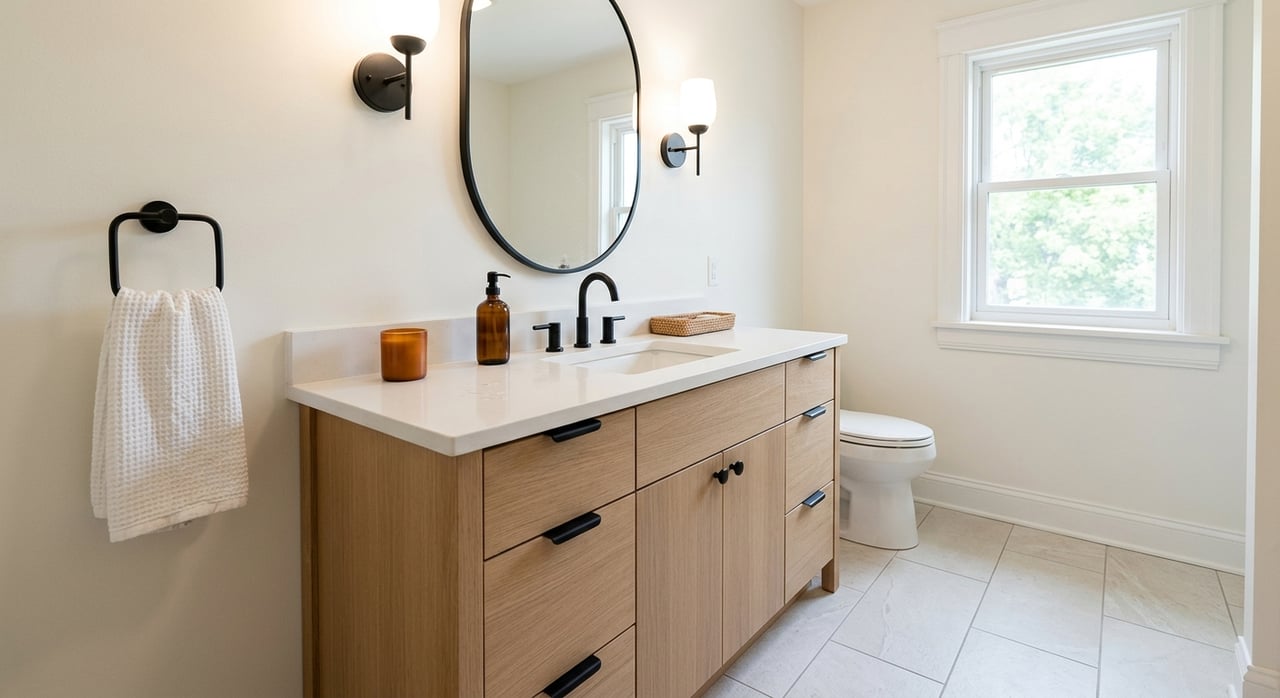
- Kitchens and bathrooms. Mid-scale updates often have some of the strongest resale recapture because they meet market expectations without over-customizing. Use national Cost vs Value commentary as directional guidance, but rely on recent local comps for actual payback. A helpful summary is this renovation ROI overview from an appraisal source on remodel payback.
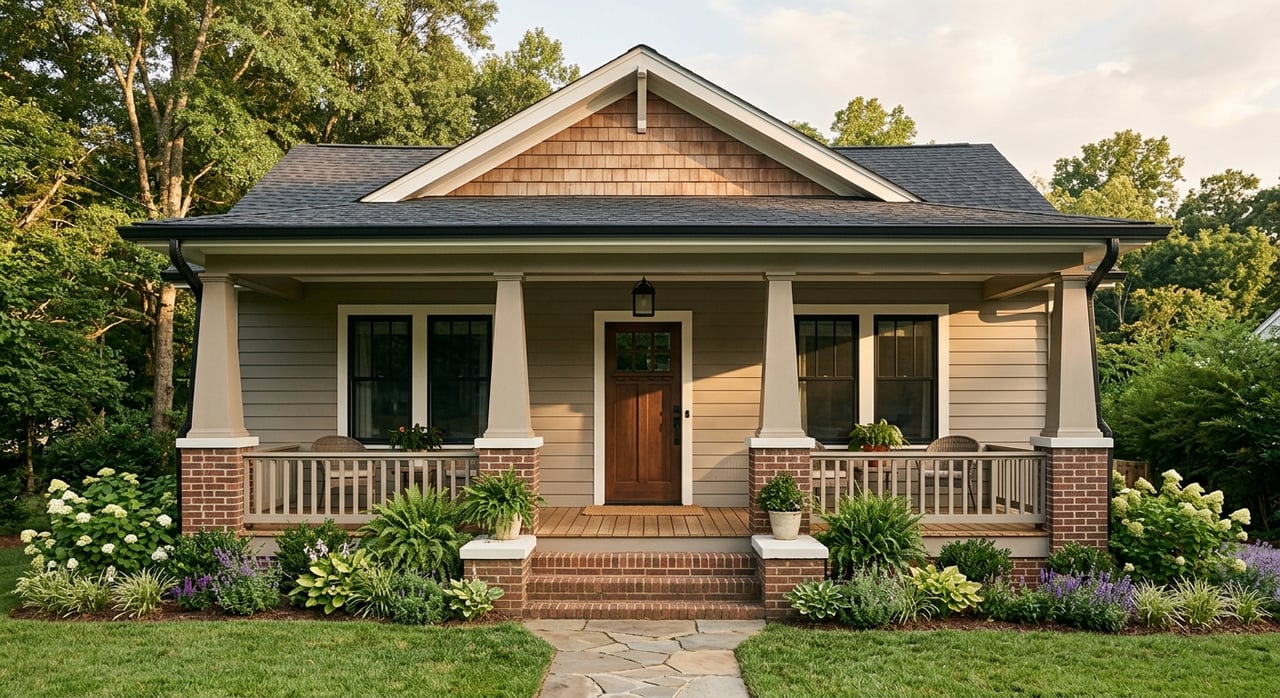
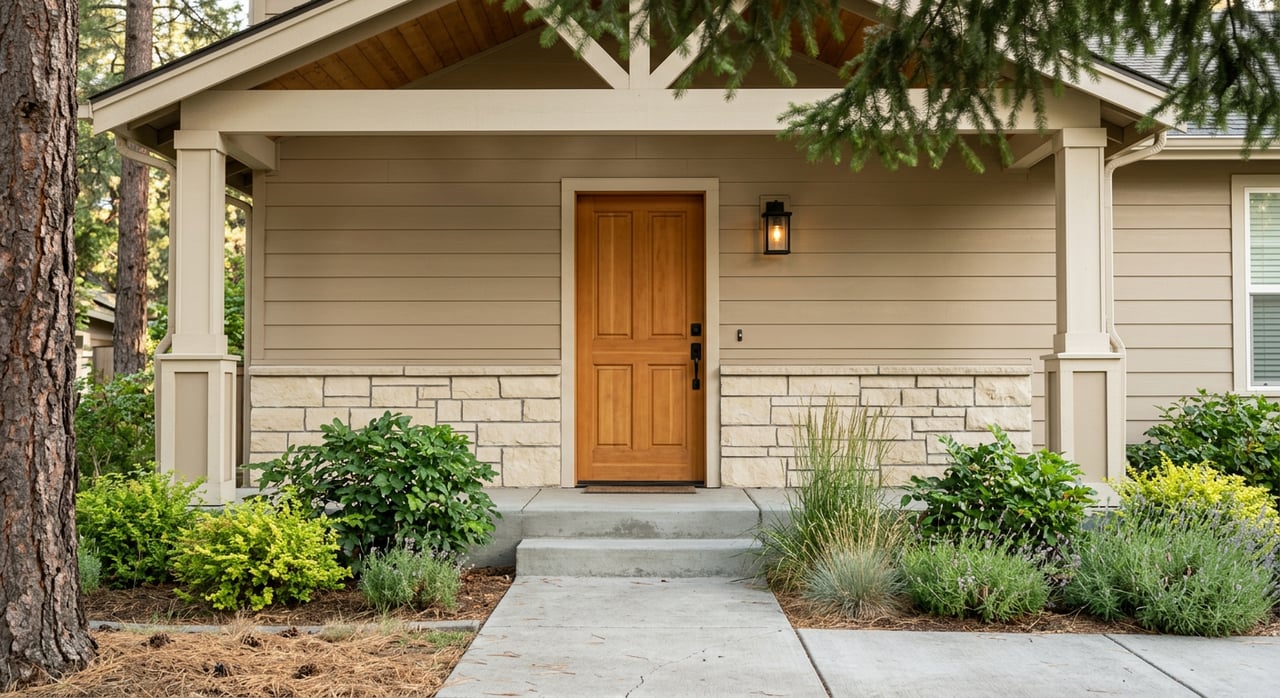
- Curb appeal and small fixes. Fresh paint, simple landscaping, a new garage door, a clean front entry, and neutral interior paint have high perceived value relative to cost. Trade references often report above-average recapture for exterior refreshes. See this exterior project recap for context on curb appeal ROI.
- ADUs and income spaces. A permitted accessory dwelling unit can add measurable value. Appraisers often look for comparable sales with ADUs, and may consider income evidence if relevant. Documentation like permits and leases is essential. Learn how appraisers approach ADUs in this explainer.
Pricing myths to skip
- Myth: Price high, then drop. Overpricing often reduces showings and can lead to a lower final number after price cuts. Pricing near the market range based on local comps typically attracts more buyers and stronger terms. NAR describes this dynamic in its pricing guidance here.
- Myth: My online estimate is the true value. AVMs are helpful starting points, but they do not see interior condition, permits, or micro-neighborhood nuances. Use them as one data point and confirm with a local CMA.
- Myth: Assessed value equals market value. The county’s assessed value is for tax purposes and can lag the market. Market value is what a ready buyer will pay today. For tax definitions and lookups, see the Spokane County Assessor’s page on assessed value.
Quick DIY ballpark
Want a fast, back-of-the-envelope estimate for your North Spokane address? Try this method at home. It will not replace a CMA or appraisal, but it can help you frame the conversation.
Pull three similar sold comps closed in the last 3 to 6 months in your same ZIP or micro-neighborhood. In faster markets, use even more recent sales. Appraisers also prioritize recent, nearby comps as Fannie Mae notes.
Calculate price per square foot for each comp. Take each comp’s sale price and divide by its finished square footage. Then take the median of those three figures. A simple primer on sales-comparison math covers this step in this valuation explainer.
Multiply the median price per square foot by your home’s finished square footage. Adjust up if your home has a larger lot, a permitted addition, or recent system upgrades. Adjust down for deferred maintenance or missing features like parking or air conditioning.
Note: Price per square foot varies by pocket and house type across the north side. Use very local comps for the cleanest baseline.
What to send Kristin
If you want a fast, accurate CMA for your North Spokane home, send the basics below. This lets your agent price with confidence and tailor the strategy to your goals.
- Full property address and preferred contact method.
- Finished, above-grade square footage and the source, such as prior appraisal, permit, or assessor. For appraisals, measurement standards matter, which Fannie Mae highlights in its Selling Guide.
- A short, dated list of permanent improvements with year and permit status. Include roof, HVAC, electrical or plumbing updates, kitchen or bath remodels, window replacements, ADU, or structural additions. Keep receipts and permits handy. Guidance on documentation is outlined for appraisers in the Selling Guide.
- Photos that show the current condition, both highlights and any known issues.
- Utility bills and rental info if there is an income unit.
- Your goals and timing. For example, sell quickly with minimal prep or wait for top dollar with targeted updates.
What you can expect in return:
- A no-obligation CMA that includes a value range, a recommended list price, and a suggested negotiation posture, based on local comps and current actives and pendings. NAR explains these pricing elements here.
- A practical pre-listing checklist that focuses on high-ROI fixes and presentation, informed by local buyer expectations and renovation know-how. You can use national Cost vs Value commentary for broad context in this ROI summary. Local comps will drive the final call.
- If you need a loan-grade number for refinancing or other financing, your agent can explain when to order a formal appraisal and how it differs from a CMA. Appraisal standards and requirements for loans are summarized in the Fannie Mae Selling Guide.
Ready for a valuation?
If you are thinking about selling this season or just want a clear plan, a local, construction-savvy pricing review can make a real difference. With deep roots on the north side and hands-on renovation experience, you will get straight advice on pricing, timing, and which fixes are worth it. For a free, no-obligation CMA and a tailored pre-list checklist, reach out to Kristin Vanos.
FAQs
How do appraisals compare to CMAs in North Spokane?
- Appraisals are lender-focused and follow strict rules on comps and adjustments, while CMAs blend recent solds with active and pending listings to set a practical list price and strategy.
Are Spokane County assessments the same as market value?
- No. Assessed values are for tax purposes and can lag; market value is what a buyer will pay today. See the county’s explanation of assessed value on this page.
Which updates add the most resale value here?
- Mid-scale kitchen and bath refreshes, curb appeal projects, and documented system updates often perform well, but recent local comps determine your actual payback. See remodel ROI commentary here.
How do ADUs affect a Spokane home’s value?
- A permitted ADU can add measurable value. Appraisers look for ADU comps and may consider income evidence. Documentation such as permits and leases is key; learn more in this ADU valuation guide.
How accurate are online estimates for North Spokane homes?
- They are a useful starting point, but they cannot see interior condition, permits, or micro-neighborhood factors. Use them as one input and confirm with a local CMA.
What should I send for a fast, accurate CMA?
- Share your address, finished square footage and source, a dated improvements list with permit status, recent photos, any rental or utility info, and your timing and goals.