If you are trying to choose between a classic Shadle bungalow and a newer home, you are really deciding how you want to live day to day. Some buyers fall for original character and established streets right away, while others want better energy performance and fewer repair projects. In Shadle, both options can make sense, but they offer very different ownership experiences. This guide will help you compare the tradeoffs clearly so you can make a decision that fits your budget, priorities, and plans.
What “newer homes” means in Shadle
In Shadle, the comparison is not usually between an old bungalow and a brand-new detached house on a large lot. According to the Shadle Area plan, the neighborhood is mostly made up of single-family homes on gridded streets, with many homes around 1,200 to 1,500 square feet and often two bedrooms.
The same plan shows that newer housing in Shadle is more likely to be infill near the district center. That can include townhouses, mixed-use buildings with homes above retail, and other compact residential options near places like Shadle Park, the library, and the aquatic center. So in practical terms, this decision is often older single-family home versus newer infill housing, not historic cottage versus suburban new construction.
Why buyers like Shadle bungalows
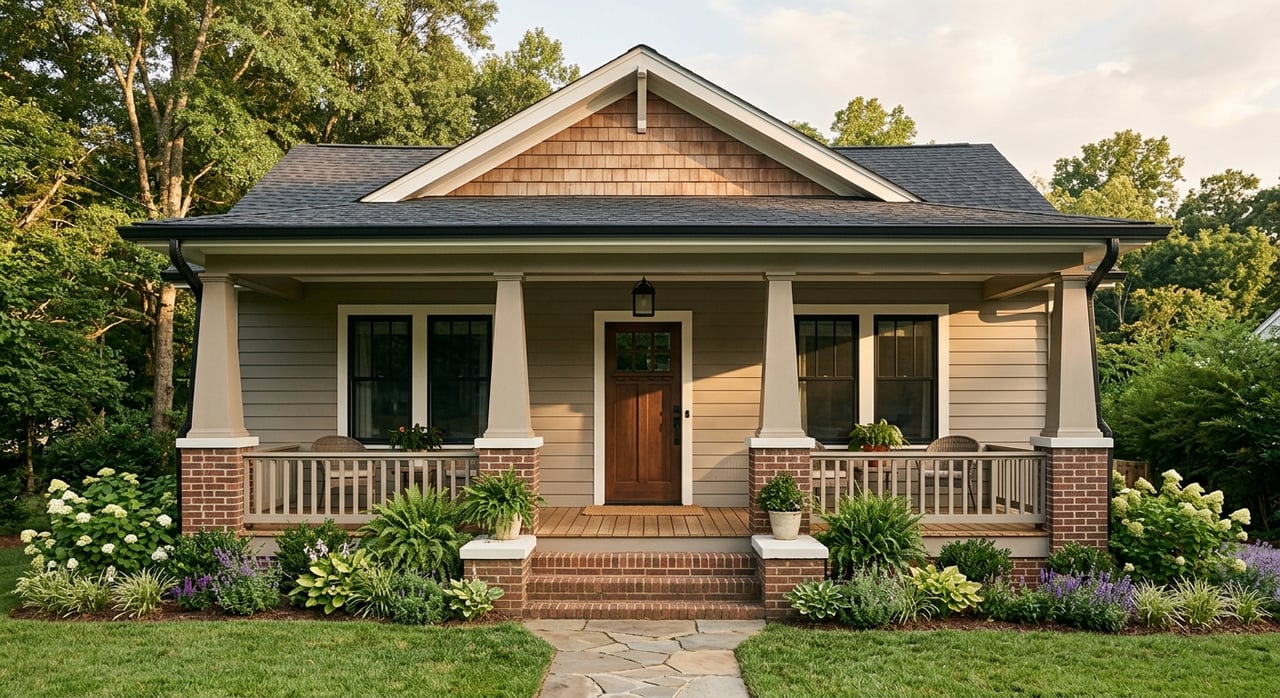
Classic bungalows have a look and feel that is hard to duplicate. The Washington State Department of Archaeology & Historic Preservation describes bungalows as one or one-and-a-half stories with low-pitched roofs, front porches, exposed rafters or braces, and open or interconnected floor plans. Those features give them a grounded, welcoming style that many buyers connect with right away.
In Shadle, that appeal often goes beyond architecture. The neighborhood plan describes an established area with a strong residential character and a higher owner-occupancy share than surrounding neighborhoods in the study area. If you want a home that feels tied to the history and rhythm of an existing neighborhood, an older home in Shadle may check that box better than newer infill.
Character and charm
A bungalow often offers details that buyers notice immediately, like a prominent front porch, wide eaves, and a compact layout that feels efficient rather than oversized. These homes can feel warm and personal in a way that many newer properties do not try to replicate.
That character can also create renovation upside. If you enjoy the idea of improving a home over time while keeping its original style intact, an older Shadle home may give you more room to add value through thoughtful updates.
Easier one-level living
Because bungalows are usually one or one-and-a-half stories, they often appeal to buyers who want fewer stairs and simpler daily living. That can matter whether you are buying your first home, planning for long-term comfort, or looking for a home that may work well through different life stages.
The city’s Shadle Area executive summary also notes a goal of helping residents remain in the neighborhood as they age. That makes the practical scale of many older homes especially relevant here.
Where bungalows may cost more over time
The purchase price is only part of the story with an older home. Homes built before modern efficiency standards often need upgrades that improve comfort, reduce utility waste, and address aging systems.
The U.S. Department of Energy notes that older homes often benefit from whole-house efficiency improvements. Through Home Performance with ENERGY STAR, the DOE also notes that sealing air leaks and adding attic insulation can save up to 10% on annual energy bills, while replacing old windows can lower bills by an average of 12%.
Common upgrade categories
If you are considering a bungalow in Shadle, it helps to budget beyond the mortgage payment. Depending on the home, you may need to plan for:
- Insulation improvements
- Air sealing
- Window replacement
- HVAC updates
- Electrical or plumbing work
- Exterior maintenance over time
This does not mean an older home is the wrong choice. It means you should compare true ownership cost, including likely upgrades, rather than focusing only on the listing price.
What newer Shadle homes usually offer
Newer homes in Shadle tend to appeal to buyers who want predictability. Infill development in the area is tied to the district center vision, which emphasizes walkability, services, and compact development patterns around daily amenities.
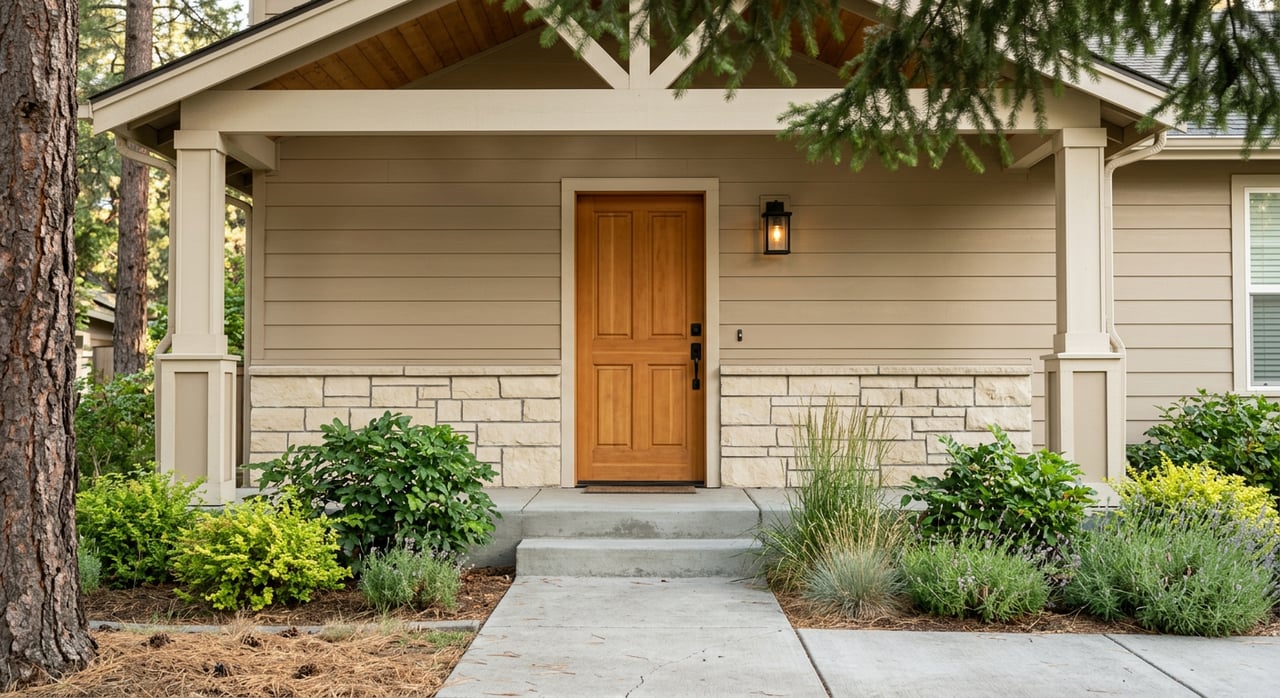
That means a newer home in Shadle may be a townhouse, a home in a mixed-use setting, or another more recently built infill option. You may give up some original character, yard space, or separation from neighbors, but you often gain lower near-term maintenance and a more modern living environment.
Better energy performance
Energy efficiency is one of the clearest advantages of newer construction. The DOE Efficient New Homes Program says efficient new homes are built for energy savings, comfort, health, and durability. ENERGY STAR’s new homes guidance also highlights benefits like stronger insulation, better air sealing, cleaner indoor air, and quieter interiors.
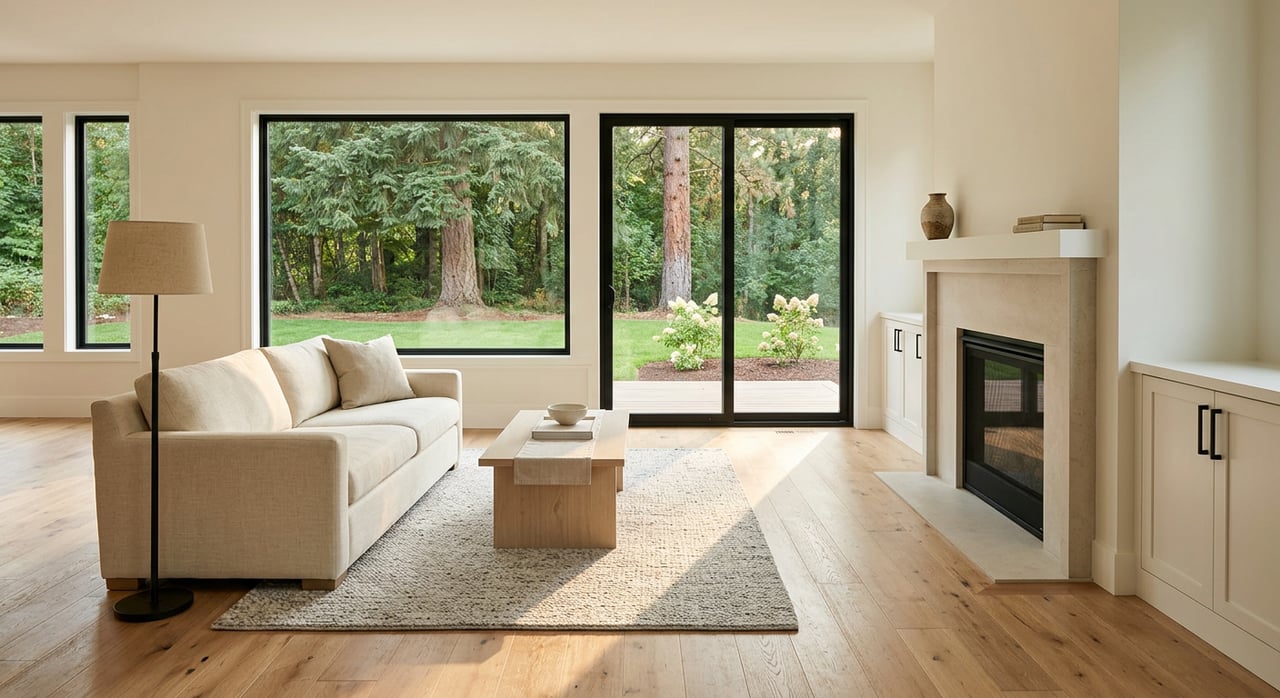
For many buyers, that translates into a home that simply feels easier to live in. Rooms may stay more comfortable through seasonal changes, and you may face fewer immediate upgrade projects after closing.
Move-in readiness and modern layouts
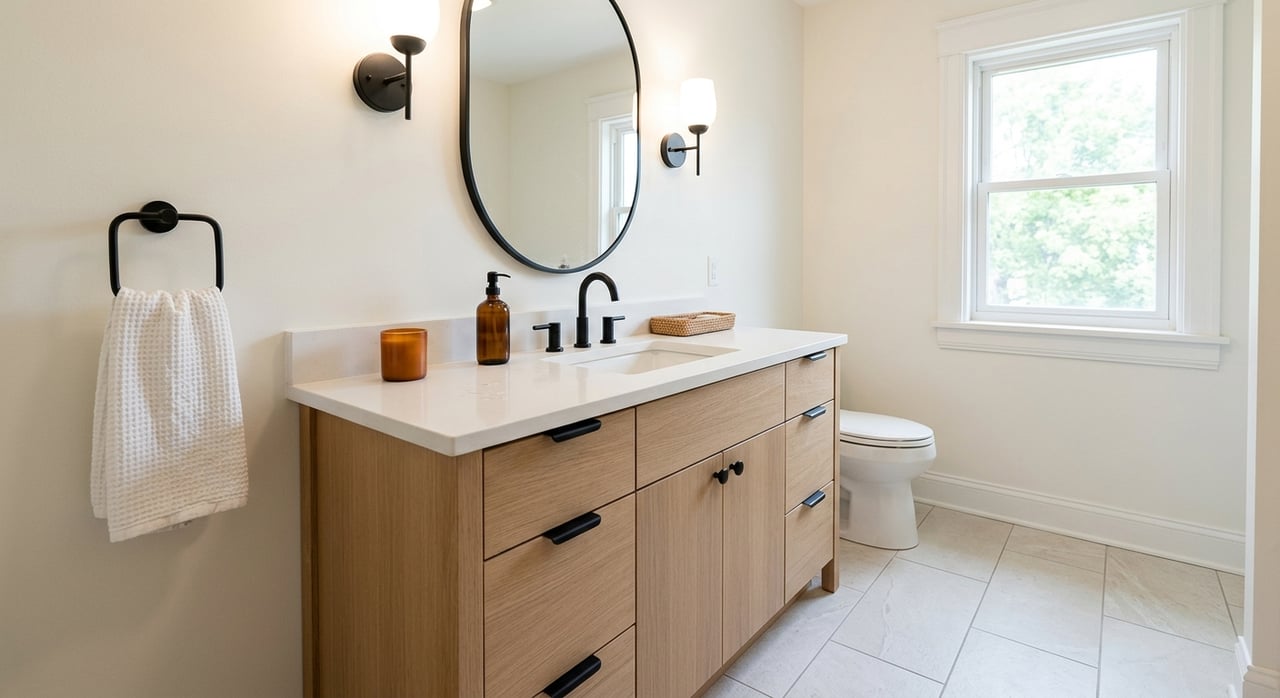
If your top priority is convenience, newer homes often have the edge. They tend to better match what today’s buyers expect in terms of layout, storage, and daily function.
That matters if you do not want to spend your first year owning a home chasing contractors, pricing windows, or planning insulation work. For some buyers, the lower project load is worth giving up the architectural details that come with an older bungalow.
How to compare total cost of ownership
A smart decision in Shadle comes down to monthly reality, not just first impressions. Your cost to own will include mortgage, taxes, utilities, maintenance, and any upgrades you need to make.
On the tax side, Spokane County explains that property taxes are based on the prior year’s assessed value and the parcel’s tax code area. There is no separate tax rule for bungalows versus newer homes, so the difference usually comes down to value, price, and assessment.
On the utility side, the City of Spokane’s 2026 utility rates brochure shows that inside-city base service charges total $90.42 with a 30-gallon refuse cart, $110.66 with a 60-gallon cart, or $131.47 with a 90-gallon cart, before variable water usage and optional yard or food waste service. Those bills also include water, wastewater, stormwater, solid waste collection, and a 21.5% utility tax.
A practical side-by-side check
When comparing a bungalow and a newer infill home, ask yourself:
- How much cash will you want available for repairs or upgrades in the first 1 to 3 years?
- Are you comfortable taking on efficiency improvements to lower long-term costs?
- Would you rather pay more up front for newer construction and potentially lower immediate upkeep?
- How important are yard space, privacy, and detached-home living?
- How important are energy efficiency, quieter interiors, and move-in readiness?
That framework usually leads to a clearer answer than style alone.
Which option fits your goals?
There is no one-size-fits-all winner in Shadle. The right choice depends on what you value most and how hands-on you want to be after you move in.
Choose a bungalow if you want character
An older Shadle home may be the better fit if you:
- Love original architectural details
- Prefer an established single-family setting
- Want a home with renovation upside
- Are comfortable budgeting for updates over time
- Value the feel of a smaller, classic home on a traditional street grid
Choose newer infill if you want simplicity
A newer Shadle home may make more sense if you:
- Want better energy performance from the start
- Prefer lower near-term maintenance
- Like contemporary layouts and finishes
- Want a more predictable ownership experience
- Are open to attached or mixed-use housing near the district center
The Shadle-specific takeaway
In Shadle, this is less about old versus new in a generic sense and more about established neighborhood character versus evolving district-center living. The city’s long-term vision for the area includes a more compact, walkable, mixed-use center while preserving neighborhood character and access to community amenities.
That is why buyers here often need a more nuanced comparison. A classic bungalow may offer the charm and detached-home feel you want, while a newer home may better match your goals if comfort, efficiency, and low maintenance are at the top of your list.
If you want help comparing specific Shadle homes, looking at likely upgrade costs, or sorting out which option gives you the best long-term value, Kristin Vanos can help you make a practical, confident decision based on how you actually want to live.
FAQs
What is the main difference between older and newer homes in Shadle?
- In Shadle, older homes are usually single-family properties in established residential areas, while newer homes are more often infill such as townhouses or mixed-use residential options near the district center.
Are Shadle bungalows cheaper to own than newer homes?
- Not always. An older bungalow may have a lower purchase price, but upgrades to insulation, windows, HVAC, or other systems can raise the true cost of ownership over time.
Do newer Shadle homes have lower utility costs?
- They can, especially if they are built with better insulation, air sealing, and other energy-efficient features highlighted by DOE and ENERGY STAR.
Are property taxes higher for newer homes in Shadle?
- Property taxes are based on assessed value and tax code area, not on whether a home is a bungalow or newer build, according to Spokane County.
Is a bungalow or newer home better for long-term living in Shadle?
- It depends on your priorities. A bungalow may work well if you want character and fewer stairs, while a newer home may be better if you want efficiency, comfort, and lower immediate maintenance.