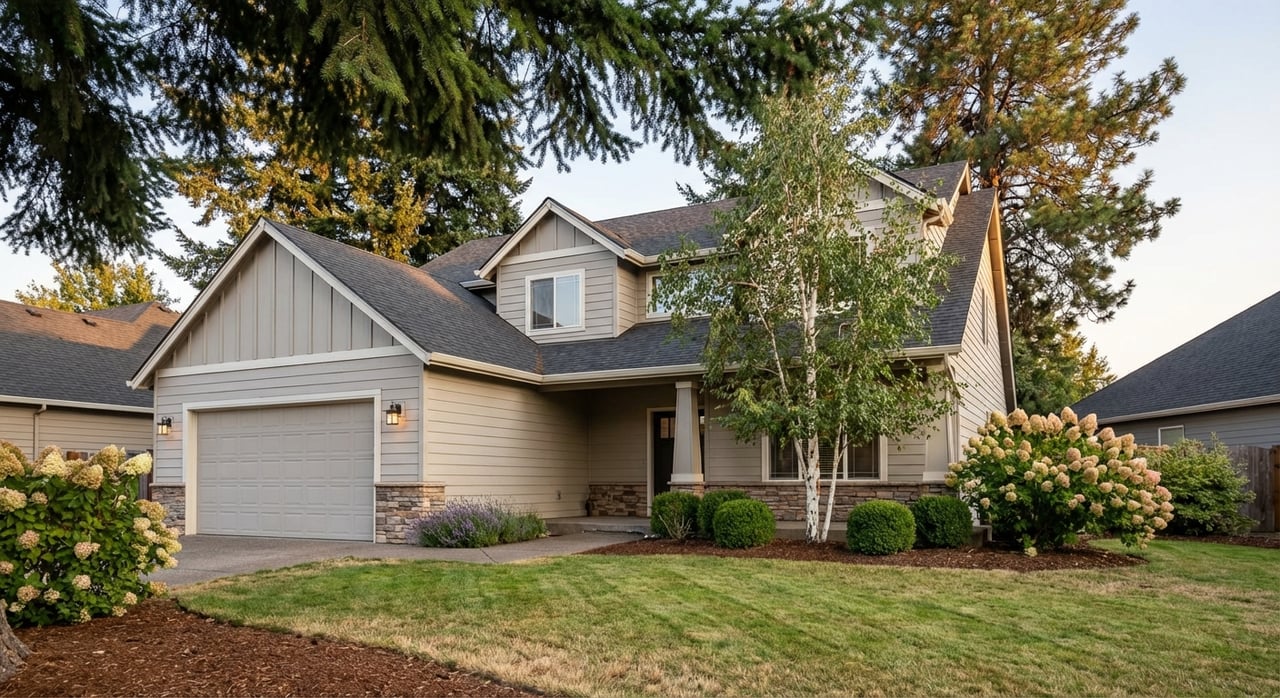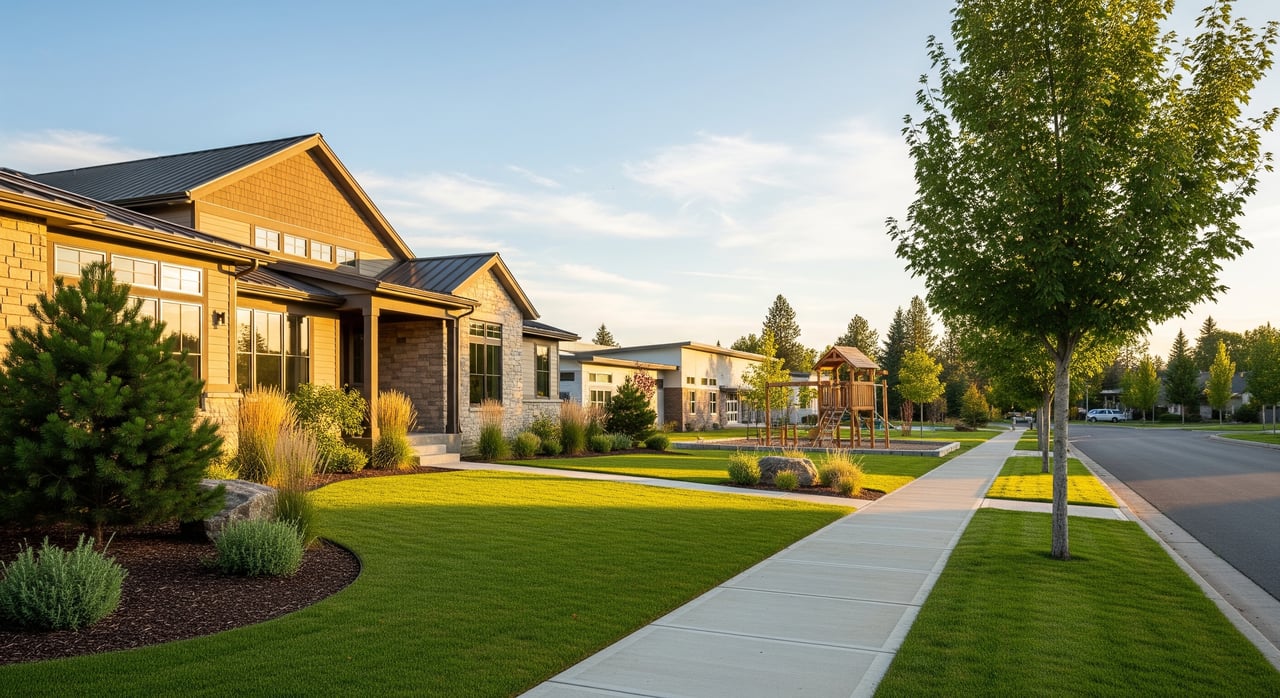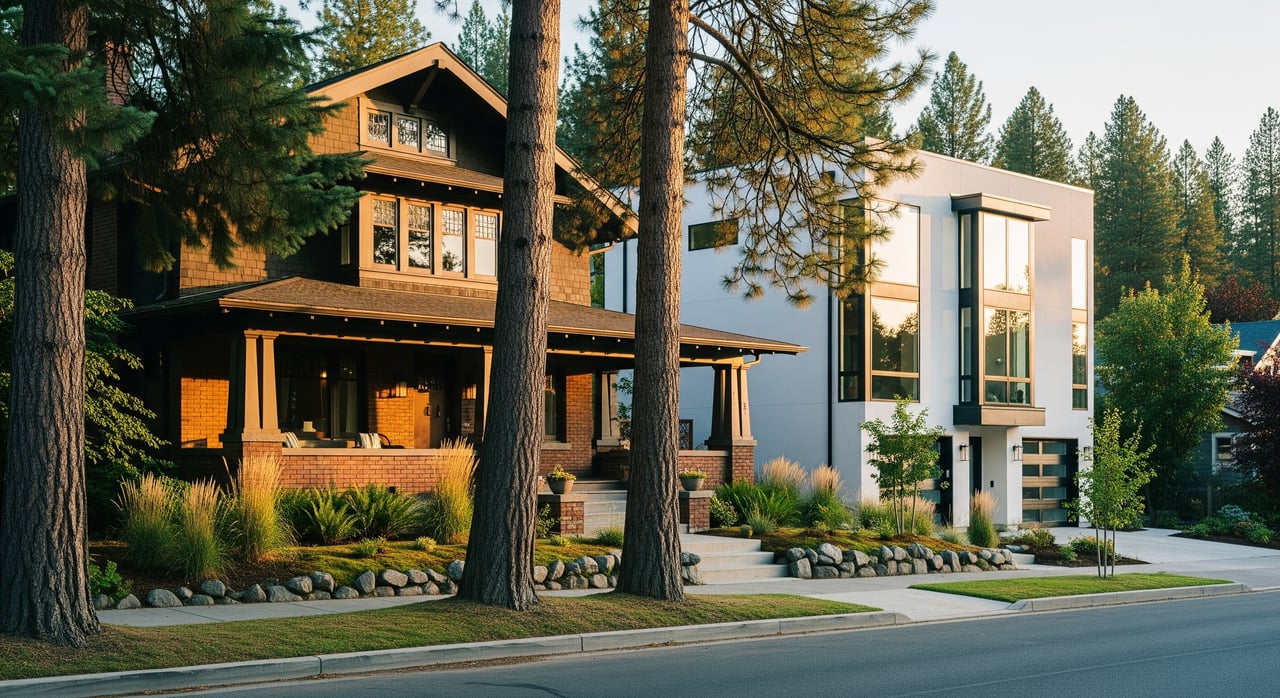
Trying to choose between a shiny newer build in Spokane Valley and a Northside classic in North Spokane? The sticker price only tells part of the story. What really affects your budget is the total cost to own, from energy bills to maintenance to HOA fees and future updates. In this guide, you’ll get a clear, Spokane‑specific way to compare both options, plus a simple worksheet you can use right away. Let’s dive in.
What “cost to own” means in Spokane
Owning a home here means planning for cold winters, snow load, and freeze‑thaw cycles. Heating is often your largest utility expense, so insulation, windows, and HVAC efficiency matter a lot. Newer homes in Spokane Valley are typically built to current Washington State Building Code standards, which set a higher baseline for energy efficiency and safety than most older homes unless they’ve been updated.
You’ll also see differences in neighborhood structure. Many Valley subdivisions include HOAs, while North Spokane neighborhoods often have none or voluntary associations. Neither is better by default. What matters is what you get for the cost, and how that fits your lifestyle and budget.
Energy use and monthly bills
Newer construction often comes with better insulation, tighter building envelopes, and efficient HVAC. Older homes can perform just as well if they have been retrofitted with upgrades like double or triple‑pane windows, air sealing, and modern systems. Real savings depend on the home’s size, your thermostat settings, and whether you heat with natural gas or an electric heat pump.
Studies commonly show newer‑code homes can use about 15 to 30 percent less energy than older, unretrofitted homes. Results vary, so the best step is to review actual utility bills. Avista Utilities serves most of Spokane. Ask for 12 months of electric and gas costs, and note whether the home uses gas heat, a heat pump, or electric resistance heat.
Quick energy check steps
- Request 12 months of utility bills from the seller or listing agent.
- Note the heating system type and age, plus water heater type and age.
- Ask if the home has had an energy audit, HERS score, or ENERGY STAR features.
- Look for insulation upgrades, window type, and documented air sealing or duct sealing.
- If bills are unavailable, use local heating degree days with Avista’s rates to estimate a range, then run best‑case and worst‑case scenarios.
Maintenance and capital replacements
All homes need care, but timing and scope differ. Newer homes typically have a lower near‑term maintenance burden and may include builder warranties. Older North Spokane homes can have bigger near‑term needs, especially for roofs, furnaces, water heaters, or windows, depending on age and upkeep. Spokane’s weather, along with mature trees common in North Spokane, can increase gutter, roof, and yard maintenance.
A common rule of thumb for annual maintenance and repairs is to set aside a percentage of the purchase price each year. For newer or well‑updated homes, plan around 0.5 to 1.5 percent. For older homes or those with deferred maintenance, plan around 1.5 to 4 percent. These are starting points, not guarantees. Your inspection and contractor bids will tell the real story.
Lifespan cheat sheet
- Roof, asphalt shingles: about 20 to 30 years
- Furnace or boiler: about 15 to 25 years
- Heat pump: about 10 to 20 years
- Water heater, tank: about 8 to 15 years
- Windows: about 20 to 30+ years
- Exterior paint or siding: about 5 to 20 years, depending on material and exposure
To size a capital reserve, list the big items, estimate remaining life, and spread the cost over those years. This keeps surprises from turning into budget breakers.
HOA and community costs
Many Spokane Valley subdivisions have HOAs that handle common areas, landscaping standards, or amenities. Older North Spokane neighborhoods may have voluntary associations or none at all. Fees can range from small annual amounts for basic maintenance to more than $100 per month for communities with amenities. Always read the HOA budget, CCRs, and reserve study. Newer developments sometimes add special assessments for amenities or infrastructure.
Beyond the fee, consider the tradeoffs. HOAs can simplify upkeep and preserve neighborhood standards. They also add cost and may limit exterior changes. If you value flexibility for projects, look closely at architectural guidelines and approval processes.
Renovation scope and flexibility
Northside classics often offer character details and larger lots that invite targeted updates. Kitchens, baths, and systems are the usual focus. Newer homes are typically easier to personalize with cosmetic changes and may need fewer major updates in the short term.
Use these general ranges to frame your budget, then confirm with local contractor quotes:
- Kitchen minor refresh: about $5,000 to $20,000
- Full kitchen remodel: about $25,000 to $75,000+
- Bathroom remodel: about $5,000 to $25,000
- Flooring replacement: about $3 to $12 per square foot
For bigger changes or structural work, check permit requirements with Spokane County or the City of Spokane. Some older properties in historic districts may have exterior design oversight. Review permit history to confirm past work was done with the right approvals and inspections.
Resale and long‑term value
Both newer builds and Northside classics can perform well over time. Established North Spokane areas may command premiums for lot size, mature landscaping, and proximity to existing amenities. Newer Spokane Valley homes often appeal to buyers seeking low maintenance, open layouts, and energy efficiency. Over the long run, what usually matters most is location, ongoing maintenance, and the quality of updates.
Supply cycles can also play a role. In periods of heavy new construction, suburban corridors may see moderated appreciation. A well‑updated older home can outperform a cheaply built new home, and vice versa. Focus on the property’s specifics and the neighborhood’s trajectory, not just the build year.
Your Spokane total cost of ownership worksheet
Use this worksheet to compare a newer Valley build and a Northside classic side by side. Keep the same mortgage assumptions for both, so you see true property differences.
Purchase price and loan
- Purchase price:
- Down payment:
- Interest rate and term:
- Monthly principal and interest:
- Notes: Use the same down payment percentage and loan terms for both homes.
Recurring annual ownership costs
- Property tax: Check the Spokane County Assessor or the property tax bill.
- Homeowners insurance: Get local quotes. Unique features or older systems can affect premiums.
- HOA fees: Add monthly fees times 12, plus any special assessments.
- Utilities: Sum electricity, gas, water, sewer, and garbage. Use 12 months of seller bills when available.
- Routine maintenance and repairs: Use a rule of thumb.
- Newer homes: plan around 0.5 to 1.5 percent of price per year.
- Older homes: plan around 1.5 to 4 percent of price per year.
- Capital replacement reserve: List major items and annualize. For each item:
- Replacement cost divided by remaining years of life = annual reserve
- Sum across roof, HVAC, water heater, windows, and siding.
- Landscaping and yard: Include irrigation, pruning, snow removal, and seasonal care.
- Other recurring: Security, pest control, pool service, or parking if applicable.
One‑time or periodic costs
- Immediate renovations or updates at purchase
- Permit fees or HOA‑required modifications
- Repairs from inspection findings
- Closing costs
Energy differential estimate
- Use actual utility bills to compare annual electric and gas costs.
- If bills are unavailable, estimate with local heating degree days, system efficiency, and Avista rates. Run best‑case and worst‑case scenarios.
- Note any rebates or incentives you plan to use for heat pumps, water heaters, or insulation.
Total annual cost to own
Add up monthly principal and interest, property tax, insurance, HOA, utilities, routine maintenance, capital reserve, landscaping, and other recurring items. For cash purchases, omit mortgage but consider opportunity cost of tying up cash if that matters to your analysis.
How to use this worksheet for two homes
- Keep your loan assumptions the same for both properties.
- Use 12 months of real utility bills when possible.
- Get two or three local contractor quotes for any big repairs or updates.
- Run a range for maintenance and energy costs to see best and worst cases.
- Compare total annual cost, not just monthly mortgage, so you can see the full picture.
Due diligence checklist
- Request 12 months of utility bills for electricity, gas, water, sewer, and garbage.
- Get the seller’s disclosure and a list of upgrades with receipts.
- Check permit history with Spokane County or the City of Spokane for additions and repairs.
- For HOAs, review the budget, reserve study, CCRs, and recent meeting minutes.
- Schedule a home inspection and consider a separate energy audit for older homes.
- Obtain two to three insurance quotes.
- Review property tax history with the Spokane County Assessor.
Which path fits your goals?
If you want low maintenance, predictable near‑term costs, and modern systems, a newer Spokane Valley build may fit your plan. If you value character, larger lots, and are open to targeted renovations, a Northside classic may reward you with strong livability and long‑term value. The best choice is the one that matches your budget, timeline, and appetite for projects. Use the worksheet, request documents early, and run the numbers before you fall in love.
Ready to compare two homes side by side? I can help you gather utility bills, review HOA documents, check permit history, and size realistic renovation budgets. Reach out to Kristin Vanos to build your Spokane‑specific cost‑to‑own plan.
FAQs
How much less will a newer Spokane home cost to heat?
- It varies by home size, system type, and upgrades, but newer‑code homes often use about 15 to 30 percent less energy than older, unretrofitted homes; always verify with 12 months of utility bills.
How do HOA fees work in Spokane Valley subdivisions?
- Fees and services vary, from small annual amounts for common areas to higher monthly costs for amenities; review the budget, reserve study, CCRs, and any special assessments before you buy.
What renovation costs should I plan for in a North Spokane classic?
- Budget for kitchen and bath updates, flooring, and system replacements based on age and condition; use contractor quotes and your inspection to prioritize timing and scope.
Do newer homes in Spokane need less maintenance?
- Usually yes in the early years due to new systems and possible warranties, but quality varies by builder, and you should still plan a maintenance reserve and track system lifespans.
Which has better resale: a Valley new build or a Northside classic?
- Both can perform well; long‑term value ties to location, maintenance history, and quality of updates more than age alone, and local supply cycles can influence appreciation in growth corridors.