If you are getting ready to sell your home in Shadle, the appraisal can feel like one of the most stressful parts of the process. You want the value to reflect your home accurately, especially in an established North Spokane area where many properties share similar size, age, and layout. The good news is that a smooth appraisal usually comes down to smart preparation, visible maintenance, and clear documentation. Let’s walk through what matters most.
Why Shadle Appraisals Need Context
Shadle has a distinct housing profile, and that matters during an appraisal. According to the City of Spokane’s Shadle Area plan, the area is made up largely of single-family homes with historic, mid-century, and contemporary character.
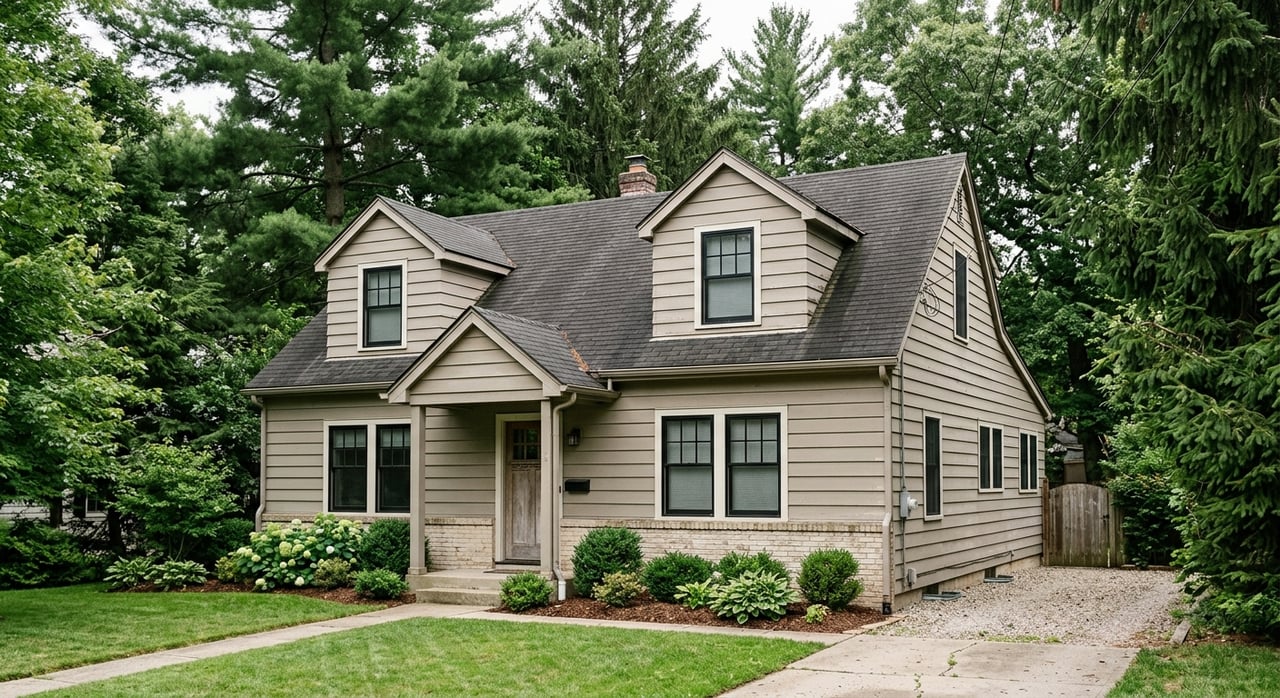
Many homes in the area are smaller and more affordable, often around 1,200 to 1,500 square feet, with common styles that include ranch, brick, and cottage-style homes. That means your home will likely be compared with other established owner-occupied properties nearby, not newer or significantly larger homes in a different part of Spokane.
For you as a seller, that makes condition and presentation especially important. When homes are broadly similar in size and style, visible upkeep and documented improvements can help the appraiser understand where your property fits.
What an Appraiser Is Looking At
A mortgage appraisal is an independent opinion of value. The Consumer Financial Protection Bureau explains that lenders generally require an appraisal for a typical home loan, and buyers are entitled to receive a copy.
On a standard appraisal, the appraiser completes a visual inspection of the accessible interior and exterior. Fannie Mae requires appraisers to note visible adverse conditions, deferred maintenance, and needed repairs, but they are not responsible for hidden or unapparent issues.
That distinction matters. If a problem is clearly visible, it can affect the report. If it is cosmetic and minor, it may not be a major issue. If it affects safety, soundness, or structural integrity, it may trigger a repair requirement or further inspection.
Focus on Visible Repairs First
If you only have time for a few prep items, start with the things an appraiser can see right away. The goal is not to make your home perfect. The goal is to remove obvious red flags.
Prioritize These Repairs
- Fix active plumbing leaks
- Replace broken window glass
- Secure loose handrails
- Correct exposed wiring
- Remove trip hazards
- Address obvious drainage or moisture issues
These are the types of issues Fannie Mae and HUD expect appraisers to note when they affect health, safety, security, or soundness.
Minor wear usually does not derail an appraisal. Worn floor finishes or small cosmetic flaws are often treated differently than defects involving a roof leak, unsafe electrical condition, or failing mechanical system.
Pay Attention to Older Home Issues
Because Shadle has many older homes, age-related maintenance deserves extra attention before the appraisal appointment. The City of Spokane notes that many lead service connections were installed in the early-to-mid 1940s and that many of those connections are in the Shadle area. The city also notes that homes built before 1978 are likely to contain lead-based paint.
That does not automatically mean your appraisal will have a problem. It does mean older plumbing, aging exterior finishes, and dated mechanical systems are worth checking closely before the appraiser arrives.
Look Closely at These Systems
- Furnace
- Water heater
- Plumbing lines and fixtures
- Electrical service and visible wiring
- Roof condition
- Exterior paint and siding
If any of these items show visible wear or obvious defects, the appraiser may call them out as deferred maintenance. In more serious cases, they can lead to a subject-to repair condition or a recommendation for further inspection.
Basements, Moisture, and Grading Matter
In older neighborhoods, basement and drainage issues can become a bigger appraisal concern than cosmetic updates. Fannie Mae’s property condition guidance specifically references dampness, settlement, and foundation concerns as issues that may require further review.
If your Shadle home has a basement or crawlspace, make sure it is dry, accessible, and clean. If you have dealt with moisture or grading problems, gather any repair records you have and make sure the area presents as stable and well-maintained.
This is one of the most important places to be proactive. A clean, dry basement sends a very different message than one with standing water, strong odors, or visible staining.
Cosmetic Updates Help, But They Are Not Everything
It is easy to assume you need a big remodel before an appraisal. In most cases, you do not. Both Fannie Mae and HUD draw a line between minor wear and true condition problems.
That means peeling trim touch-up, clean flooring, fresh caulk, and tidy landscaping can help your home show better, but they are not a substitute for handling real repair issues. Appraisers are there to assess condition and compare your home with similar properties, not to reward trendy decor.
A clean, well-kept home still matters because presentation helps the appraiser see the property clearly. Just keep your focus on maintenance first and cosmetics second.
Prepare a Simple Improvement Packet
One of the smartest things you can do is give the appraiser a clear, organized snapshot of what you have improved over time. Fannie Mae’s appraisal reporting guidance allows appraisers to use comments and exhibits to support their analysis, and it specifically references photos of updates such as remodeling, restoration, and renovation.
You do not need a fancy binder. A one-page summary is often enough.
Include These Details
- List of major updates
- Approximate dates completed
- Permit information, if available
- Contractor invoices or receipts, if available
- Notes about replaced systems like roof, furnace, or water heater
This is especially useful in Shadle, where many homes may look similar at first glance. If your home has had thoughtful updates behind the scenes, documentation helps make those improvements easier to understand.
Do Not Forget Detached Structures
If your property includes a detached garage, shed, or another separate structure, make sure it is easy to access and in decent shape. Fannie Mae requires separate footprint sketches with exterior dimensions for additional structures, so these spaces are part of the appraisal picture.
That does not mean every outbuilding adds major value. It does mean the appraiser will account for them, and a structure that looks neglected can influence the overall impression of condition.
Open doors if needed, clear pathways, and make sure these spaces are safe and presentable.
A Practical Shadle Appraisal Checklist
If you want a simple plan, focus on the items below in the week before the appointment.
Your Pre-Appraisal To-Do List
- Clean the interior and exterior
- Mow, trim, and tidy the yard
- Fix active leaks and visible safety issues
- Replace broken glass and secure railings
- Check basement or crawlspace for moisture
- Test basic systems for normal operation
- Gather upgrade notes, receipts, and permits
- Make detached structures accessible
- Replace burned-out light bulbs
- Remove clutter that blocks access to rooms or systems
This kind of preparation will not change your square footage or your location. What it can do is reduce distractions, support your home’s condition, and help the appraiser complete a clear and accurate report.
The Real Goal of Appraisal Prep
A smooth appraisal is usually not about trying to impress someone. It is about making sure your home is easy to evaluate and free of obvious condition flags that could slow down the sale.
In a neighborhood like Shadle, where many homes have solid bones, established streets, and similar general profiles, the basics matter. Visible maintenance, dry and functional systems, and a clear record of updates can go a long way.
If you are thinking about selling and want practical advice on which repairs are worth doing before you list, Kristin Vanos can help you prioritize the work that supports your sale without over-improving.
FAQs
What should you fix before a home appraisal in Shadle?
- Focus first on visible issues like leaks, broken window glass, loose handrails, exposed wiring, trip hazards, and moisture or drainage problems.
Do cosmetic issues affect a Shadle home appraisal?
- Usually, minor cosmetic wear matters less than problems tied to safety, soundness, or structural integrity.
How do older Shadle homes affect the appraisal process?
- Older homes may require closer attention to plumbing, roof condition, paint, electrical systems, and other age-related maintenance items that are visible during the inspection.
Should you give the appraiser a list of updates for your Shadle home?
- Yes, a simple list of improvements with approximate dates, receipts, and permit details can help the appraiser understand upgrades more clearly.
Do detached garages and sheds matter in a Shadle appraisal?
- Yes, additional structures are part of the appraisal review, so they should be accessible, safe, and presentable on the day of the appointment.