Buying your first home in Spokane Valley can feel exciting right up until the numbers, timelines, and inspection details start piling up. If you are trying to figure out what you can afford, what kind of homes you will actually find, and how to avoid expensive surprises, you are not alone. The good news is that Spokane Valley still offers a practical path into homeownership for many first-time buyers, especially if you go in with clear expectations. Here is what to know before you start touring homes.
Spokane Valley market basics
If you have been hoping Spokane Valley is still a bargain, it helps to start with current pricing. In April 2026, Redfin reported a Spokane Valley median sale price of $426,530. Spokane REALTORS® reported a March 2026 median close price for the Valley region of $449,975.
Those numbers are different, but not conflicting. They reflect different reporting windows and market definitions. For you as a buyer, the big takeaway is simple: today's Spokane Valley market is generally landing in the mid-$400,000s.
A practical entry-level target may fall in the high-$300,000s to low-$400,000s, based on current medians and nearby lower-priced areas. That is not a formal published price band, but it is a useful working assumption as you build your budget. If you are shopping for your first home, getting realistic about your monthly payment early will save you time and stress later.
What first-time buyers usually find
Spokane Valley's housing stock is led by detached single-family homes. According to the city's housing action plan, about 66% of housing units were single-family detached as of mid-2020, while roughly 20% were apartments and condos and about 9% were single-family attached.
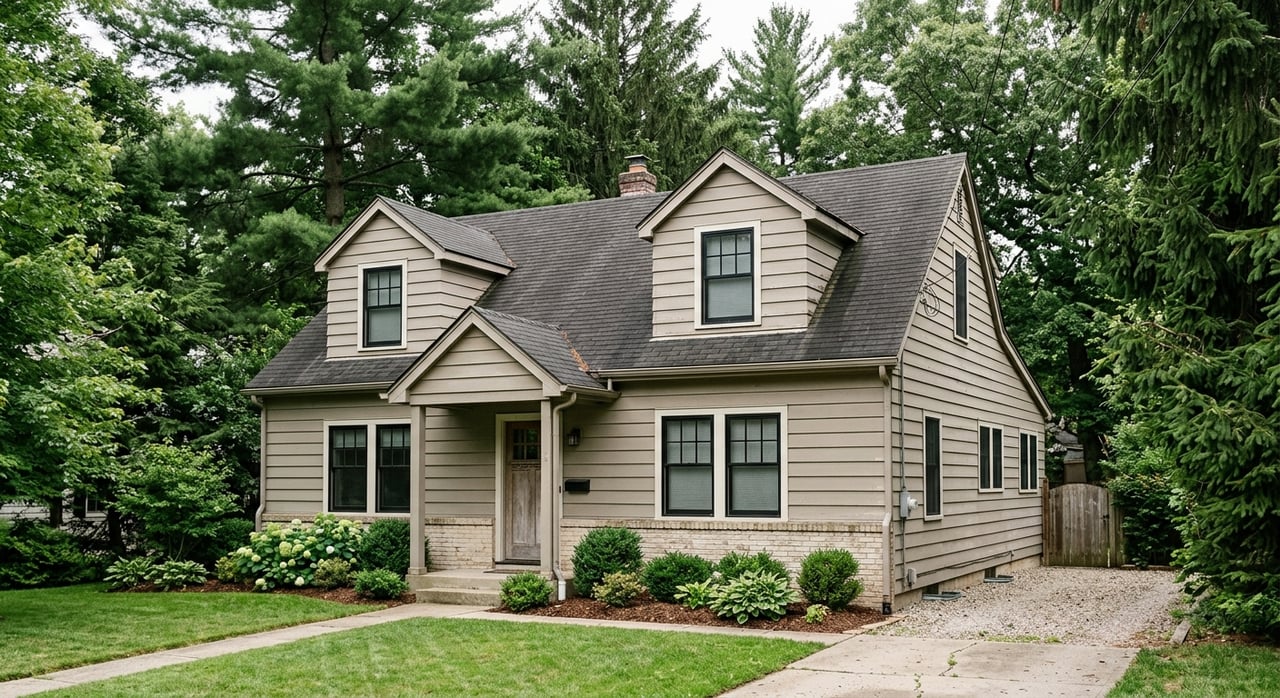
That matters because it shapes what your search will probably look like. Most first-time buyers in Spokane Valley will spend the most time looking at detached suburban homes, with a smaller share of condos, townhomes, and other attached options.
The housing stock is also relatively newer than many buyers expect. Nearly one-third of homes were built before 1969, and more than half were built after 1980. In practical terms, many buyers will likely tour homes from the 1970s through the 1990s, which often means solid everyday layouts but a need to pay close attention to maintenance and updates.
Inspection items worth extra attention
For first-time buyers, the inspection is one of the most important steps in the whole process. In Spokane Valley, the age and style of housing make a few issues especially worth watching.
As you tour homes and move toward an offer, keep an eye on:
- Roof condition
- Attic ventilation and moisture
- Crawlspace dampness or drainage
- Winter roof concerns such as ice dams
These are not automatic deal-breakers. They are simply common maintenance areas that can affect repair costs, comfort, and long-term ownership.
Radon testing may also be worth considering if you want extra peace of mind. Washington Department of Health radon information and mapping support radon as a reasonable due-diligence item for buyers.
This is one place where practical guidance matters. A home can still be a great fit even if it needs maintenance, but you want to understand what you are taking on before you close.
Spokane Valley vs. North Spokane
Many first-time buyers compare Spokane Valley with North Spokane when they are trying to stretch their budget. That can be a smart comparison, but it helps to look past broad labels.
By price, some North Spokane pockets are often lower than Spokane Valley. Redfin reported a North Side median sale price of $344,872, compared with Spokane Valley at $426,530. Spokane REALTORS® also reported one North region submarket, area 330, at a $317,000 median close price in March 2026.
At the same time, North Spokane is not one uniform market. Another north-area submarket, area 331, posted a much higher median close price of $526,500. That means North Spokane works more like a patchwork of submarkets than a single affordability tier.
If your main goal is value, you may find lower-priced options in certain north-side areas. If your priority is a detached suburban housing pattern and direct I-90 access, Spokane Valley may still feel like the better fit. It often comes down to your budget, your preferred home style, and how flexible you are on location.
Commute expectations in Spokane Valley
Commute times are often less of a dividing line than buyers expect. Spokane Valley reports an average commute of 20.8 minutes. Spokane city's QuickFacts mean travel time is 20.6 minutes.
That is a small difference. In real life, your experience is usually more about route convenience, traffic tolerance, and where you need to go most often.
For many buyers, this means Spokane Valley versus North Spokane is less about saving major commute time and more about choosing the area that fits your day-to-day patterns. If you are touring both, pay attention to your likely work, shopping, and family routes rather than relying on citywide averages alone.
What to budget beyond the down payment
One of the biggest first-time buyer surprises is how much cash is needed beyond the down payment. A good planning range for buyer closing costs is about 2% to 5% of the home price, excluding your down payment.
Using Spokane Valley's current pricing, that can add up quickly:
- On a $426,530 home, about $8,531 to $21,327
- On a $449,975 home, about $8,999 to $22,499
Your actual number depends on your loan, title costs, prepaid items, and other transaction details. Still, this range gives you a useful starting point when you are deciding how much cash to reserve.
There are also local fees to understand. Spokane County's filing schedule lists a standard first-page recording fee of $303.50, plus $1 for each additional page.
You may also hear about real estate excise tax, or REET. In Washington, REET is typically a seller cost, not a buyer cost. The state's graduated REET is 1.10% up to $525,000, and Spokane Valley's local REET rate is 0.50%, so a $425,000 sale would produce about $6,800 in combined REET before any exemptions.
Down payment help for Washington buyers
If your biggest hurdle is getting enough cash to the closing table, it is worth looking at Washington State Housing Finance Commission programs. According to the current WSHFC matrix, Home Advantage DPA can be used for down payment, closing costs, and pre-paids.
Depending on the program type, assistance is commonly listed at 3% or 4% of the first mortgage amount for the 0% option, with some other program types offering up to $10,000 or $15,000. WSHFC also notes that these loans are typically structured as second mortgages with repayment due later under program rules.
That does not mean every buyer will qualify, and it does not make the purchase free. What it can do is help bridge the gap between what you have saved and what you need to close.
A simple first-time buyer timeline
The buying process gets much easier when you break it into steps. Instead of trying to manage everything at once, focus on the sequence.
1. Get pre-approved
Before you shop seriously, get pre-approved so you know your likely price range and monthly payment target. This also helps you move faster if you find the right home.
2. Narrow your search
Tour homes and compare more than just list price. Pay attention to condition, layout, maintenance needs, commute patterns, and overall fit for your day-to-day life.
3. Make an offer
Once you find the right home, you can make an offer with the terms and contingencies that fit the situation. Depending on the deal, you may also request seller credits.
4. Complete inspections and appraisal
After mutual acceptance, order the inspection quickly. This is your best opportunity to understand condition, negotiate around major defects if your contingency applies, or decide whether to move forward.
5. Finish underwriting
As your lender works through underwriting, stay organized and respond to requests quickly. This stage can feel paperwork-heavy, but staying on top of documents helps avoid delays.
6. Review your Closing Disclosure
Before closing, compare your Closing Disclosure with your earlier Loan Estimate. This is a key moment to confirm costs, loan terms, and cash needed to close.
7. Do the final walkthrough
Your final walkthrough is your chance to confirm the home's condition and make sure it is ready for closing based on the contract terms. Do not treat it like a formality.
8. Fund, record, and get the keys
Once the transaction funds and records, the keys can be released. That is the finish line, and the moment all the planning starts to feel real.
Spokane Valley first-time buyer tips
If you want to approach this market with confidence, a few habits can make a big difference.
- Set your payment comfort zone before you fall in love with a house
- Keep room in your budget for closing costs and early repairs
- Treat inspections as information, not just a checkbox
- Compare Spokane Valley with nearby areas, but avoid assuming any one region has one fixed price level
- Focus on the total fit of the home, including condition, layout, and daily convenience
For many first-time buyers, Spokane Valley offers a strong mix of detached housing, practical commute times, and more attainable pricing than many larger Washington markets. At the same time, this is still a market where preparation matters. The more informed you are up front, the smoother your path to closing tends to be.
If you are thinking about buying your first home in Spokane Valley, working with someone who understands both the local market and the condition side of homes can make the process feel a lot more manageable. When you are ready for practical, neighborhood-focused guidance, connect with Kristin Vanos.
FAQs
What price range should first-time buyers expect in Spokane Valley?
- Current Spokane Valley median sale and close prices are in the mid-$400,000s, with a practical entry-level working range often landing in the high-$300,000s to low-$400,000s.
What types of homes do first-time buyers usually find in Spokane Valley?
- Spokane Valley housing is mostly detached single-family homes, with smaller shares of condos, apartments, and attached housing.
What inspection issues matter most for Spokane Valley homes?
- Common areas to watch include roof condition, attic ventilation and moisture, crawlspace dampness or drainage, and winter roof issues such as ice dams. Radon testing may also be a reasonable step for extra peace of mind.
How does Spokane Valley compare with North Spokane for affordability?
- Some North Spokane pockets are lower-priced than Spokane Valley, but North Spokane varies widely by submarket, so it is best to compare specific areas rather than treating the whole region as one price band.
How much should first-time buyers budget for closing costs in Spokane Valley?
- A practical planning range is about 2% to 5% of the home price, excluding the down payment, which can mean roughly $8,500 to $22,500 based on recent Spokane Valley median prices.
Are there down payment assistance programs for Washington first-time buyers?
- Washington State Housing Finance Commission programs may help with down payment, closing costs, and pre-paids, often through second-mortgage structures with repayment due later under program rules.